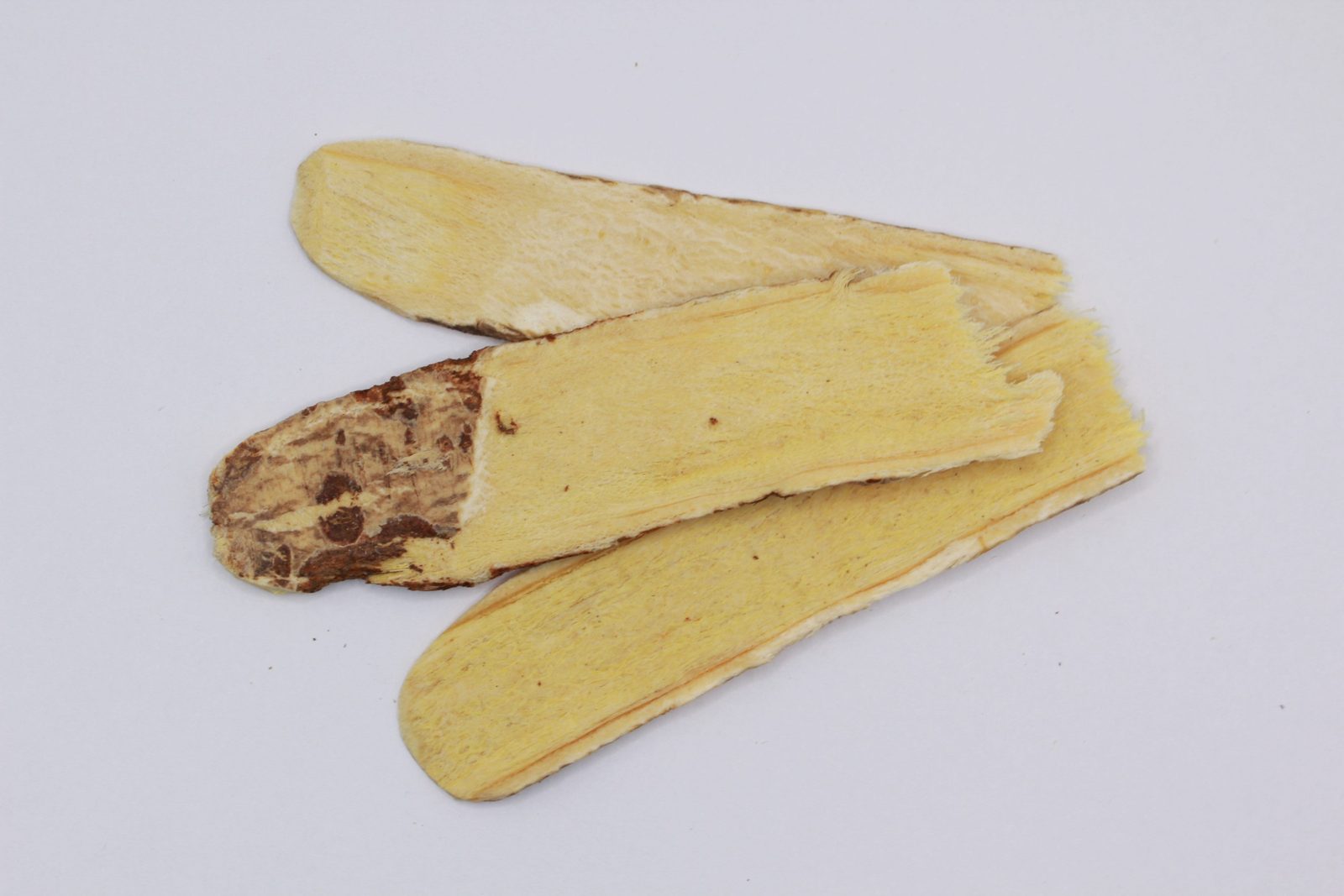
黄芪·Radix Astragali
Astragalus Root
Huang Qi (黄芪) is the root of astragalus, a legume, recorded as Radix Astragali. It is sweet in flavour and slightly warm, entering the Lung and Spleen channels. The catalogue files it among the herbs that tonify Qi, and records seven distinct actions for it.
| Pinyin | huang qi |
|---|---|
| Chinese | 黄芪 |
| Latin Name | Radix Astragali |
| English Name | Astragalus Root·Astragulus Root |
| Japanese | ogi |
| Korean | hwanggi |
Qi Deficiency with general weakness, poor appetite, fatigue, tired limbs and spontaneous sweating
Spontaneous sweating from Yang Deficiency
Spleen Qi Deficiency with loose stools, weakness and lassitude
long yan rou + dang gui + suan zao ren
Qi and Blood Deficiency with insomnia and related signs
Blood Deficiency after hemorrhage: fatigue, a low-grade fever, thirst, irritability and a weak pulse reflecting Qi and Blood Deficiency. Deficient Qi and Blood with numbness, paresthesia, painful obstruction and chronic sores that stay open
Qi Deficiency with bleeding
Sinking Spleen Qi with rectal or uterine prolapse or heavy uterine bleeding
dang shen + zi wan + chen pi + fu ling
Qi Deficiency of the Spleen and Lung
Deficient Wei Qi with spontaneous sweating
Daytime sweating that becomes worse at night
Night sweats.
Night sweats from Yin Deficiency
han fang ji + bai zhu + gan cao + sheng jiang
Wind edema with a heavy feeling in the body, sweating and aversion to Wind
han fang ji + bai zhu + shan yao + shi wei
Chronic nephritis with edema and proteinuria
han fang ji + fu ling + gui zhi
Superficial, floating edema with swollen limbs
Yin-type suppurative sores that fail to open or discharge only thin clear fluid
Flat sores that fail to form pus, or ulcers that will not heal
Wind edema with swelling of the face and limbs, numbness, pain, sweating, sensitivity to Wind and scanty urination
shan yao + sheng di huang + shan zhu yu
Wasting and Thirsting Disorder.
Deficiency of Qi and Blood and of Ying and Wei, with numbness and painful obstruction in the muscles
Wind-Damp painful obstruction affecting the shoulder
Qi Deficiency with Blood Stasis following Windstroke
dang shen + nu zhen zi + shan zhu yu
Adverse effects of radiation or chemotherapy in cancer patients
Reduces the adverse effects of radiotherapy and chemotherapy
Increases phagocytosis.
Lifts Spleen Yang Qi so that turbid Yin can sink and be expelled, for long-standing diarrhea, abdominal dragging, fatigue, breathlessness, uterine bleeding and prolapse
Spontaneous sweating from Qi Deficiency and night sweats from Yin Deficiency
fu ling + shan yao + bai bian dou + yi yi ren
Spleen Deficiency with loose stools or diarrhea
yang tonics
Spleen Yang Deficiency.
ren shen + bai zhu + dang gui + suan zao ren
Qi and Blood Deficiency with a pale face and shortness of breath
jing jie + guang zhong + san qi + hai piao xiao + e jiao + gui pi tang
Spleen failing to govern Blood, so Blood leaks out as vomiting of blood, blood in the stool or heavy menstrual bleeding
ling zhi + nu zhen zi + dang shen + ren shen + dong chong xia cao + shan zhu yu
Chemotherapy and radiation leaving the Qi Deficient
dang gui + ren shen + zhi fu zi + mai men dong + wu wei zi
Qi and Blood collapse
mu li + ma huang (gen) + fu xiao mai
Spontaneous sweating from Exterior Deficiency
Yang Deficiency with heavy sweating and severe fatigue
sheng di huang + mai men dong + wu wei zi + fu xiao mai + di gu pi
Night sweats from Deficient Qi and Yin
chuan shan jia + zao jiao ci + dang gui + chuan xiong
Chronic sores with pus that do not ulcerate
ren shen + dang gui + chuan xiong + bai zhi + fang feng
Long-standing sores on a basis of Deficiency
dang gui + shu di huang + ren shen + bai zhu + rou gui
Flat, chronic sores and ulcers that will not heal
ren shen + rou gui + zhi gan cao
Qi Deficiency sores in children
gui zhi + bai shao + sheng jiang + da zao
Qi and Blood Deficiency with numb, painful skin and muscles
qiang huo + fang feng + jiang huang + dang gui
Wind-Damp invasion with Ying and Wei out of harmony, causing numbness and pain in the limbs
dang gui wei + chuan xiong + hong hua + tao ren + di long
Post-stroke complications.
shan yao + zhi mu + ge gen + tian hua fen
Interior Heat in wasting and thirsting disorder
| Age | Raw | Granule | Tincture | Concentrate | Frequency |
|---|---|---|---|---|---|
| Any 9-30g; Exceptional cases: 30-60g; Tincture: 2-4ml | 9-30 g | — | 2-4 ml | — | — |
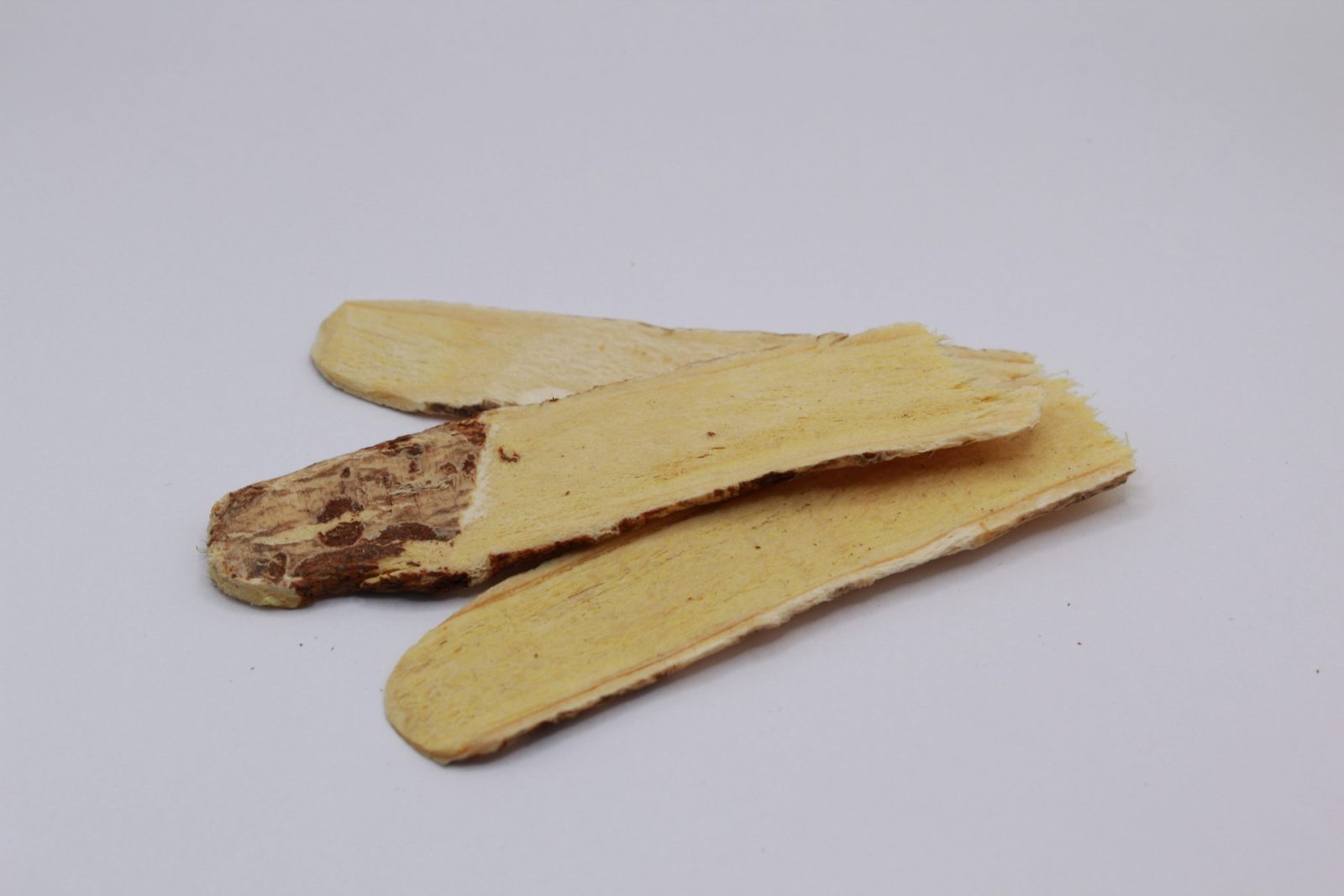
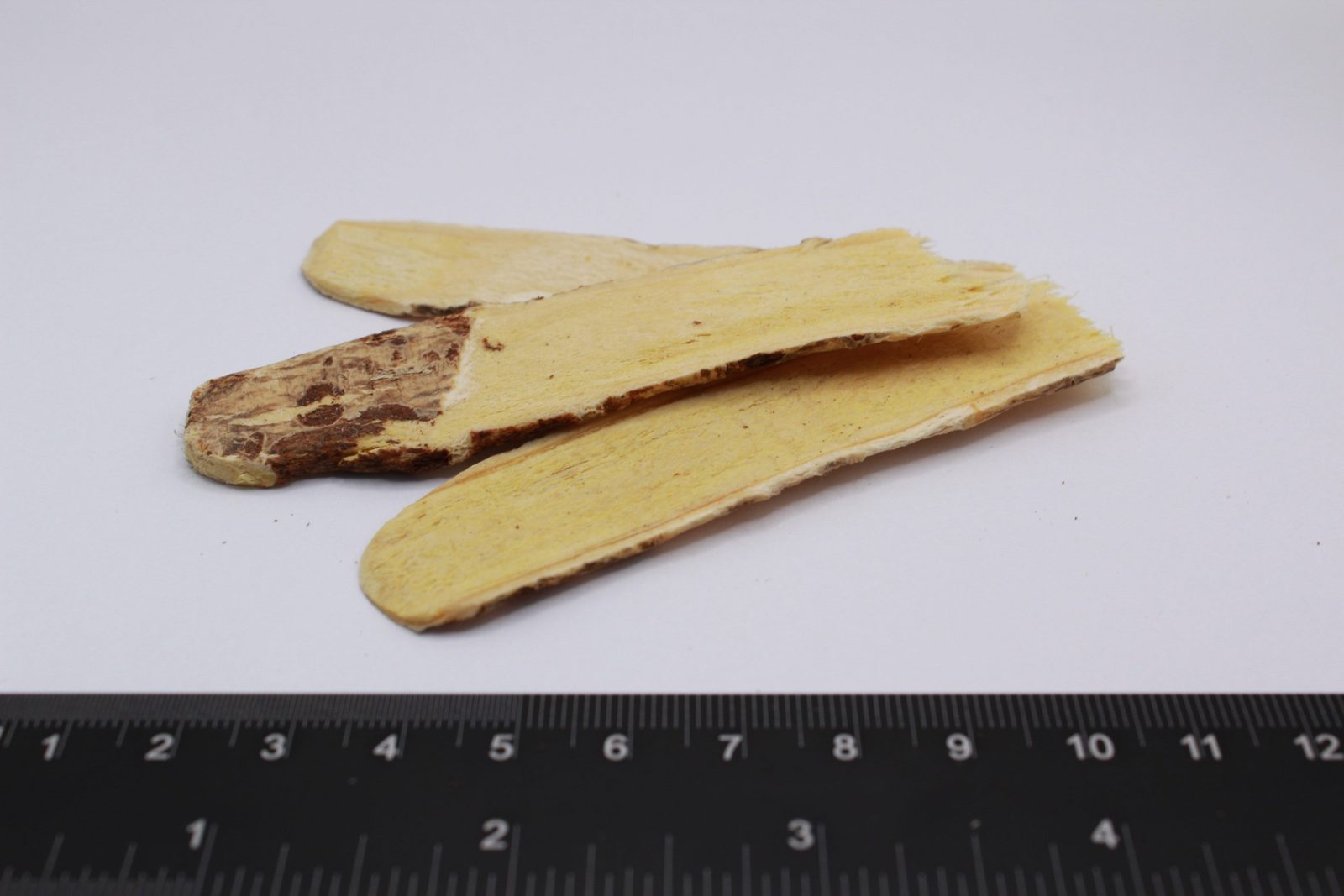
炙黄芪·Radix Astragali Praeparata cum Melle
Zhì huáng qí (炙黄芪) is the honey-fried root of astragalus, recorded as Radix Astragali Praeparata cum Melle. The catalogue holds no category, channels or actions for it.
The catalogue records no separate actions, dose or cautions for this preparation. Unless noted above it follows huang qi.
Used in 5 formulas: ba wei di huang wan, gu zhen tang, juan bi tang, liu shen san, shi wei xiang ru yin
Paste any of these. The wording inside the link is the part that matters — it tells a search engine what this page is about, so it is filled in for you.
Free to use with a visible link back. This herb is also available as XML. See link to us for banners, the feed, and the terms.
Bencao Index is free to use and free of advertising, and is paid for by one practitioner.